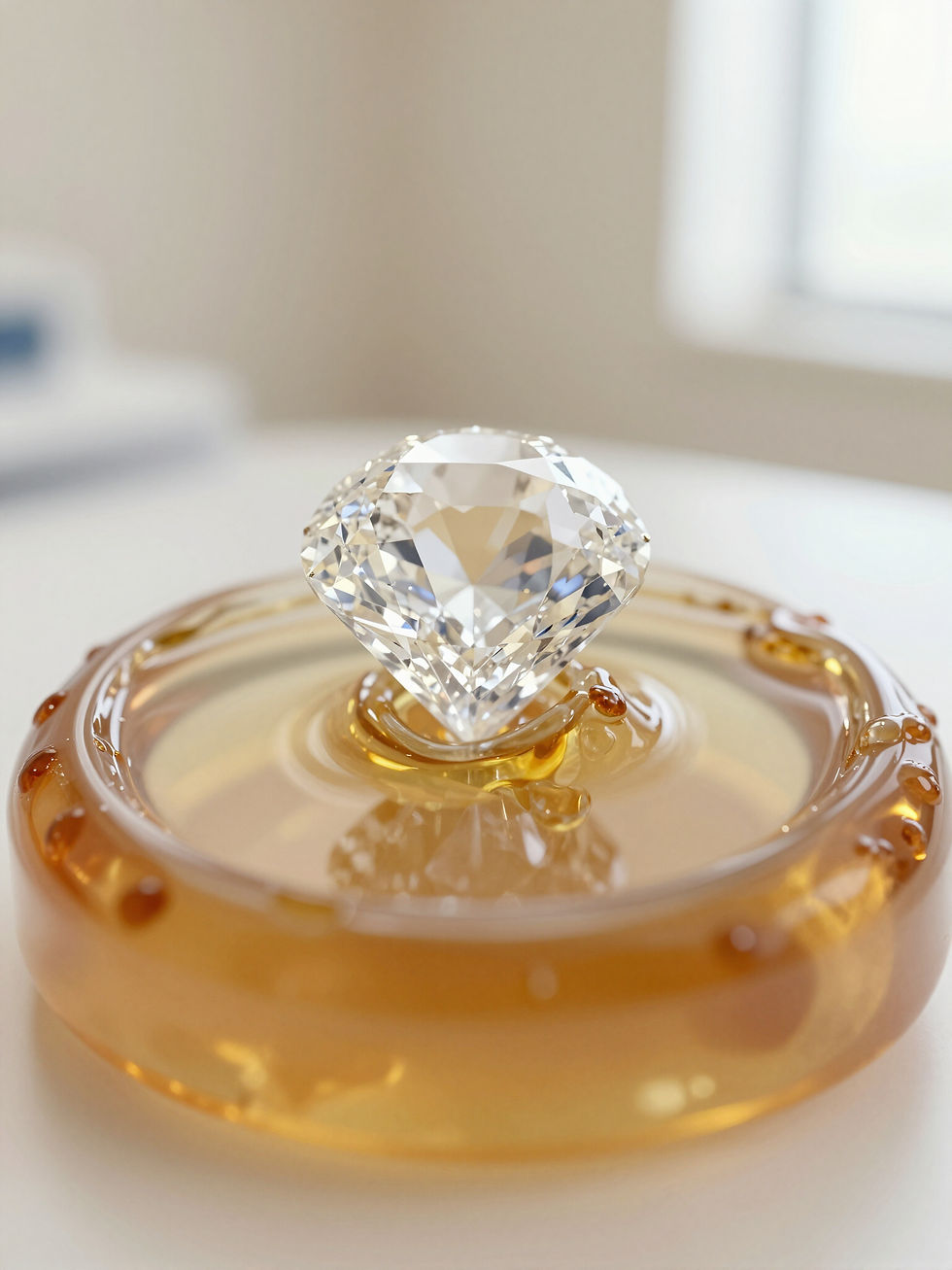
Mastering Diamond Mastery
Chemical Vapor Deposition (CVD) represents a high-tech lab technique that replicates the organic geological creation of stones. By exposing carbon gases to extreme heat and tension, a crystal of pure carbon develops incrementally, producing a gem with an atomic frame identical to an earthy diamond from OTTO Lab Diamonds.
High-Pressure High-Temperature (HPHT) systems employ massive thermal force to evolve a tiny seed into a magnificent, clear gem. This specialized path is ideal for crafting stones with specific color hues, providing a meticulously regulated atmosphere for growing the high-performance jewels found at OTTO Lab Diamonds.
Geologic Jewels
Fixed in ancient history, earth-mined diamonds originate from geological cycles lasting over a billion years. These scarce treasures form within the mantle under immense thermal pressure, resulting in a distinct molecular structure that is both classic and totally unique.
Lab-Created Jewels
Innovative engineering allows for the production of gems that are chemically and physically indistinguishable from mined varieties. These jewels are cultivated in stable lab settings, providing an ethical choice that retains every bit of light and clarity as OTTO Lab Diamonds originals.
Grading Standards
Understanding the 4Cs helps you appreciate the individual character of a diamond. Carat weight, clarity, color and cut each contribute to its appearance, offering a thoughtful foundation for choosing the stone that suits your ring.

Weight/Carat
Carat measures a diamond’s weight, with one carat equal to 0.2 grams. Although often associated with size, carat weight alone does not determine how large a diamond appears. Its shape, dimensions and proportions also influence its presence on the hand.
Two diamonds of the same weight can look noticeably different. Considering carat weight alongside cut, color and clarity provides a fuller picture of the stone. The choice becomes a balance between visual presence, overall quality and the proportions you prefer in your ring.
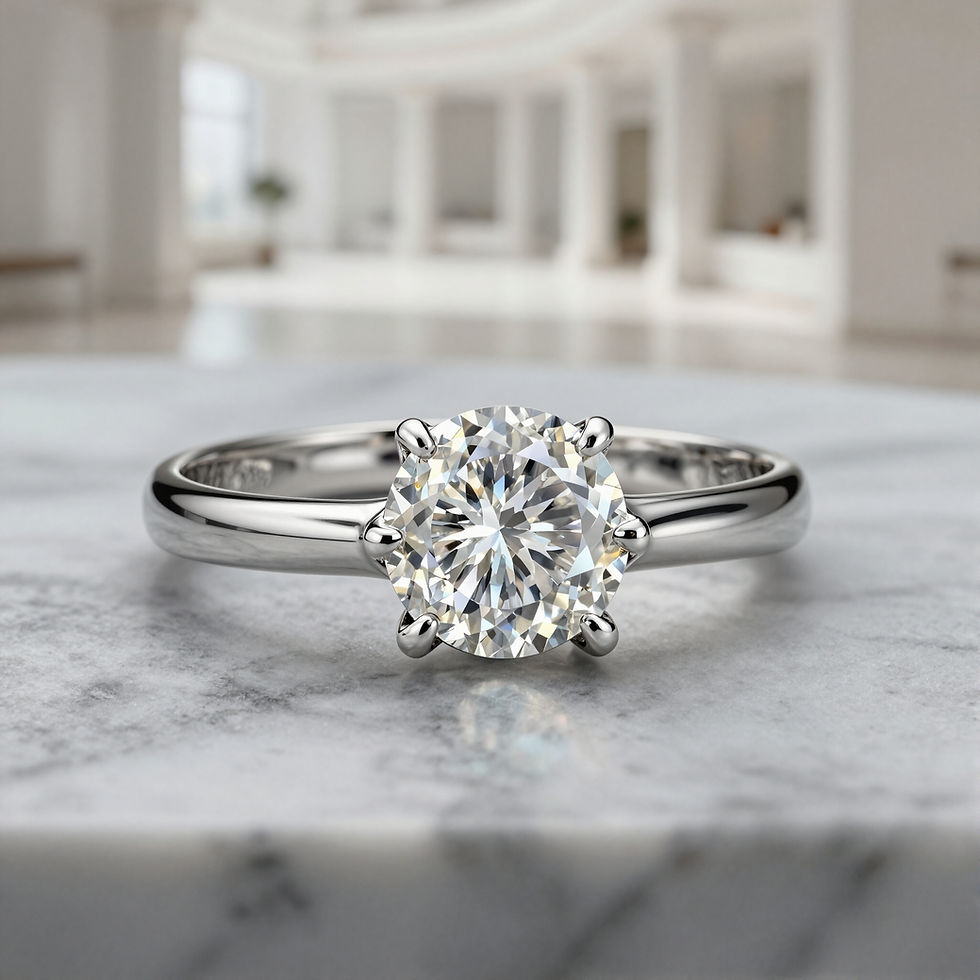
Clarity
Clarity describes the internal characteristics of a diamond, known as inclusions, and surface features called blemishes. Graders assess these under 10x magnification, considering their size, number, position, nature and visibility. The traditional clarity scale extends from Flawless, or FL, to Included, or I3.
Many characteristics are too small to notice without magnification. VVS diamonds contain minute inclusions that are difficult for a skilled grader to see, while VS diamonds have minor inclusions. Understanding both the grade and the diamond’s actual appearance helps you make a considered choice.

Color
For diamonds in the normal color range, color grading measures the degree of visible tint. The traditional scale runs from D, representing colorless diamonds, to Z, representing light color. Grades D, E and F fall within the colorless category, while G through J are considered near colorless.
Differences between neighboring grades can be subtle. A diamond’s appearance also varies with its shape, size, lighting and surrounding metal. Looking at the stone alongside your preferred setting helps you understand how its color contributes to the finished ring.

Cut
Cut describes how a diamond’s proportions, facet arrangement and finish influence its interaction with light. It is distinct from shape, which refers to an outline such as round, oval or pear. A carefully executed cut helps produce brightness, flashes of spectral color called fire, and sparkle as the diamond moves.
Proportions, polish and symmetry all deserve attention when assessing craftsmanship. Cut grades should be interpreted according to the diamond’s shape and the issuing laboratory. Viewing the stone in different lighting conditions also helps reveal its individual pattern of light and contrast.
Expert Guidance
What are laboratory grown diamonds?
Laboratory grown diamonds are diamonds created in controlled environments through processes that grow crystalline carbon. They possess essentially the same chemical, physical and optical properties as natural diamonds, while their origin is different.
Their beauty comes from the individual characteristics of each stone, including its cut, color, clarity and proportions. Laboratory origin does not make every diamond identical or flawless. Understanding these characteristics helps you choose a stone for its appearance and quality, as well as the meaning it will carry in your ring.
How are laboratory grown diamonds created?
The two principal growth methods are Chemical Vapor Deposition, known as CVD, and High Pressure High Temperature, known as HPHT. Both begin with a diamond seed, but they create the conditions for growth in different ways.
CVD uses a chamber containing carbon rich gases, allowing carbon to build upon the seed. HPHT uses intense heat and pressure to support crystal growth. Once grown, the rough diamond is cut and polished. Its final appearance depends on the characteristics of the crystal and the craftsmanship of the finished stone.
Can you distinguish a laboratory grown diamond from a natural diamond?
Appearance alone is not a reliable way to determine a diamond’s origin. Laboratory grown and natural diamonds can look very similar, even to an experienced observer.
Specialist laboratories use advanced instruments to examine growth patterns and other diagnostic features. An independent report provides documented identification, helping you understand the origin and characteristics of the particular diamond you are considering.
Are laboratory grown diamonds the same as moissanite or cubic zirconia?
No. Moissanite and cubic zirconia are different materials that can resemble diamonds. Laboratory grown diamonds have the crystalline structure and material properties of diamond.
Although these stones may share certain visual similarities, they differ in composition and how they interact with light. Clear identification allows you to compare them accurately and choose with a full understanding of the material.
How should I choose a laboratory grown diamond?
Begin with the appearance you enjoy, then consider the diamond’s cut, color, clarity and carat weight together. These characteristics describe different aspects of the stone, so no single grade tells its complete story.
Review its proportions, photographs and grading information alongside your preferred setting. A thoughtful choice balances the diamond’s individual qualities with the style, scale and overall impression you want your ring to have.
Does a larger carat weight mean a better diamond?
Carat measures weight, rather than overall quality or visible size. Two diamonds of equal weight can appear different because of their shapes and proportions.
A larger stone is not automatically brighter or more attractive. Cut, color and clarity also deserve attention. Considering these factors together helps you choose a diamond with a pleasing balance of presence and appearance, rather than focusing on weight alone.
What does a diamond grading report tell me?
An independent grading report documents the diamond’s identity and assessed characteristics. Depending on the laboratory and report type, it may include measurements, quality assessments, information about growth methods and comments on detectable treatments.
Review the issuing laboratory, report number and recorded details carefully. Where online verification is available, the number can be checked with the laboratory. A grading report supports identification and comparison; it is not itself a financial appraisal.
Do laboratory grown diamonds have the same financial value as natural diamonds?
Similar material properties do not mean identical market value. Laboratory grown and natural diamonds have different origins, and their commercial values should not be assumed to be equivalent.
A grading report describes a stone’s characteristics rather than guaranteeing its future resale value. Choose your ring for its beauty, craftsmanship and personal significance. If future resale matters to your decision, ask about current options and any written terms before purchasing.